


SALIUS RISE
A Simple visual cue for safer bed height setup.

Transfers are one of the leading causes of injury in LTC
-
High volume: Dozens of transfers per shift.
-
Physically Demanding: Repetitive and Physically demanding task.
-
Variability: Highly inconsistent conditions every day.
The transfer starts before the resident stands
-
The goal: Make the setup clean and consistent
When the bed is too low...
-
Staff may need to provide more physical assistance.
-
Residents may struggle to start standing.
-
A transfer may take repeated attempts
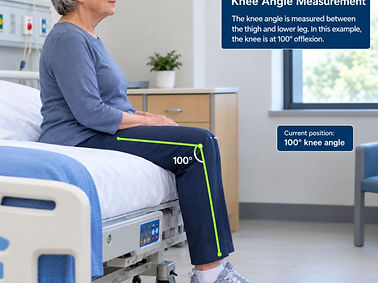

What is the Salius RISE strap?
-
A visual height marker - not a lifting aid.
It shoes the target bed height.
-
PT or OT assesses and sets the marker on the residents bed.
-
Staff raise the bed to the marked position before the transfer.
-
The visual cue reduces guesswork between self and shifts.
Who is the strap for?
-
Use it only when it has been assessed and documented.
FOR RESIDENTS
Residents whose PT/OT assessment and care plan identify a target bed height for transfers. Residents who are stand by asset or supervision/independent for transfers
FOR STAFF
Nursing and care staff who support the resident's usual transfer routine.
WHEN TO USE IT
Before the transfer, when the strap is present and the care plan directs its use.
WHEN NOT TO GUESS
If the marker is missing, unclear, damaged or does not match the care plan, pause and ask the nurse/supervisor.
How it works: 3 Simple Steps
-
Use the usual transfer procedure - RISE only guides the bed-height setup.
1. CHECK
Confirm the care plan and transfer instructions.
2. RAISE
Adjust the bed until the RISE clip touches the ground.
3. TRANSFER
Proceed using the resident's usual approved transfer method.
The strap does not replace the care plan, transfer assessment or required equipment.
For nursing and care staff
-
Your role: Check, use, and speak up.
BEFORE
Check the care plan, transfer method and marker.
DURING
Use the prescribed assistance and equipment.
AFTER
Return the bed to the position required height.
REPORT
Tell the nurse / supervisor if the resident's ability changes or the marker seems wrong.
Housekeeping: Cleaning the strap
-
Keep it clean without damaging the material or changing its setting.

1. Keep it resident specific
Do not move the strap between residents unless the approved process specifically permits it.
2. Follow the approved cleaning protocol
Use only the care home approved product and method compatible with the strap manufacturer's instructions (wipe down).
3. Let it dry and inspect
Allow the strap to dry. Check for fraying, loose attachment, damage or unreadable markings.
If damaged or the cleaning method is unclear, take it out of use and notify the Rehab department.
Pause and ask if...
-
Do not improvise or rely on an uncertain marker.
If the strap is damaged, loose or missing
Tell the Rehab department do not use a damaged strap.
The resident's ability has changed
Follow the care plan and request reassessment if needed.
The marker does does not match the care plan
Pause and contact the nurse/supervisor to confirm the setup.
The transfer feels unsafe
Stop and follow the facility's safe-transfer and escalation procedures.
RISE is a visual cue only. It does not replace transfer equipment.
The Key Message
-
One small setup check. One shared approach.
Before each transfer:
-
Check the care plan.
-
Reuse the bed to the set marker.
-
Use the approved transfer method.
-
Report concerns or changes.
Same transfer. Clearer setup.
Purchasing Salius RISE
-
If you are interested in purchasing a RISE bed strap, please send an email inquiry to mobiletherapy@saliusrehab.ca